

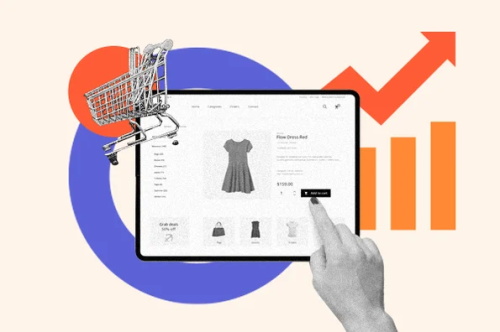
E-commerce has been a dynamic and rapidly evolving sector for years. The COVID-19 pandemic accelerated its growth, changing consumer behavior and business operations.
1. Artificial Intelligence and Automation
Artificial Intelligence (AI) and automation have been transforming e-commerce, enabling businesses to streamline operations, enhance customer experience, and make data-driven decisions. In 2025, AI is expected to play an even more significant role in personalized customer experiences. Through machine learning and predictive analytics, e-commerce platforms will offer more tailored product recommendations, personalized marketing campaigns, and efficient customer service through AI-powered chatbots.
Automation will also become more prevalent in inventory management, order fulfillment, and logistics. This trend can reduce operational costs and improve efficiency, leading to faster delivery times and a better overall customer experience.
2. Omnichannel Commerce
Omnichannel commerce is no longer a buzzword; it's a necessity. In 2025, businesses will focus on providing a seamless shopping experience across all platforms, from mobile apps to social media to brick-and-mortar stores. The goal is to create a cohesive brand experience, allowing customers to interact with a business in any way they choose without friction.
For entrepreneurs, this means investing in technology that integrates various sales channels and ensures consistent communication and branding. Job seekers with experience in customer experience management, digital marketing, or retail technology will find ample opportunities in this trend.
3. Sustainability and Ethical Practices
Consumers are growing more aware of how their purchases affect the environment. In response, e-commerce businesses are adopting more sustainable practices, from eco-friendly packaging to ethical sourcing. In 2025, this trend will continue to grow, with more companies committing to reducing their carbon footprint and supporting ethical labor practices.
Entrepreneurs should consider implementing sustainability as a core part of their business strategy. This can attract environmentally conscious consumers and set a business apart from competitors. Job seekers with expertise in sustainability, corporate social responsibility, or environmental science will find growing demand in this area.
4. Subscription-Based Models
Subscription-based e-commerce models are gaining popularity as they provide recurring revenue and foster customer loyalty. In 2025, expect to see more businesses offering subscription services, from meal kits and beauty products to digital content and software.
This trend allows companies to build a consistent customer base and collect valuable data on consumer behavior. Entrepreneurs considering this model should focus on providing unique value and flexibility to subscribers. For job seekers, skills in customer relationship management, data analysis, and marketing automation are essential in subscription-based businesses.
5. Augmented Reality and Virtual Reality
Augmented Reality (AR) and Virtual Reality (VR) are revolutionizing how customers shop online. These technologies allow consumers to visualize products in their environment before purchasing, enhancing confidence and reducing returns. In 2025, expect more e-commerce platforms to incorporate AR and VR features, especially in fashion, furniture, and home improvement industries.
Entrepreneurs should explore integrating AR and VR to offer a more interactive shopping experience. Job seekers with skills in software development, graphic design, and user experience will find opportunities in this growing field.
6. Social Commerce
Social commerce, where social media platforms serve as sales channels, continues to gain traction. In 2025, platforms like Instagram, Facebook, and TikTok will become even more central to e-commerce strategies. These platforms offer businesses the ability to engage directly with customers, showcase products, and drive sales without leaving the app.
Entrepreneurs should focus on building a strong social media presence and leveraging influencer marketing. Job seekers with experience in social media management, content creation, or influencer relations will find many opportunities in this trend.

Launch an E-commerce Store
How to Launch an E-commerce Store in a Day
Launching an e-commerce store might seem like a daunting task, but with today's tools and technologies, it's possible to get your online shop up and running in just one day.
E-commerce A/B Testing
E-commerce A/B Testing: What to Test and Why
A/B testing is a cornerstone of e-commerce success. It allows businesses to make data-driven decisions, optimize customer experiences, and ultimately drive more conversions.
Payment Gateways
Understanding Payment Gateways and Options
A payment gateway is a technology that facilitates electronic payments for online and in-person transactions.